The Carrington Event, 1859: The Solar Storm That Set Telegraphs on Fire
In 1859 the most powerful geomagnetic storm on record lit up auroras near the equator and made telegraph lines spark — a warning about how a solar storm would hit today's grid.
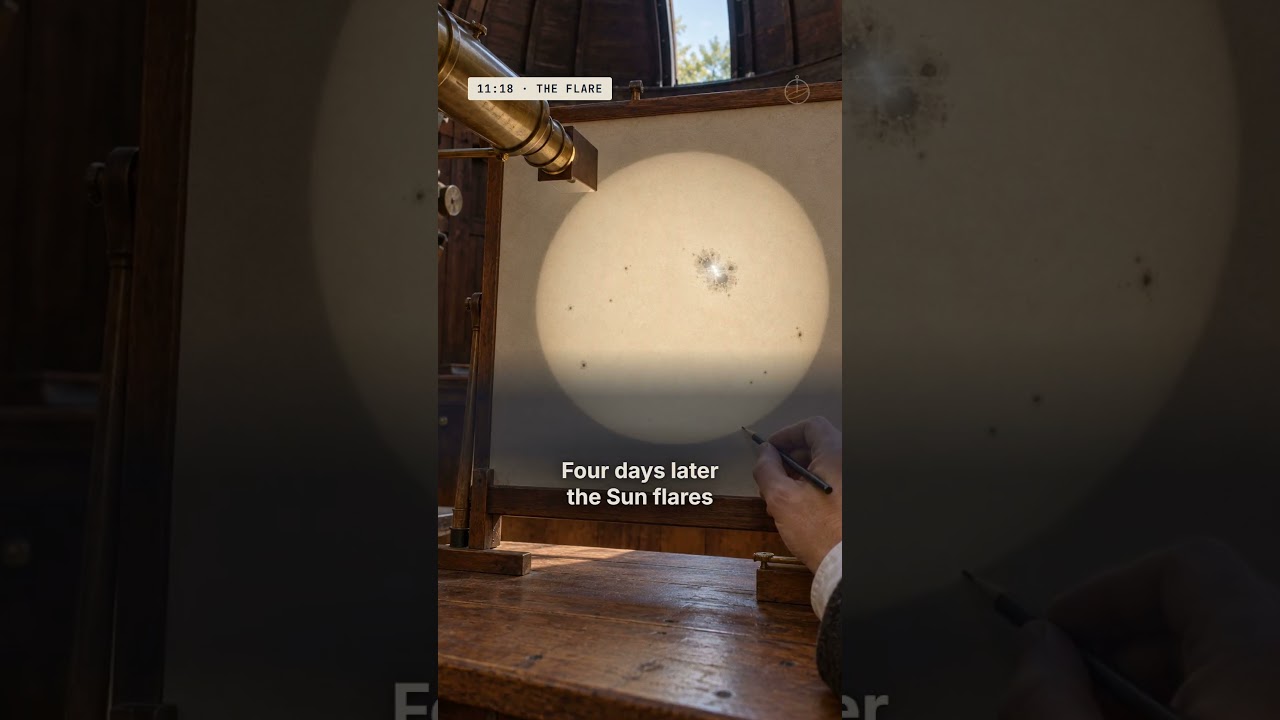
In early September 1859, the strongest geomagnetic storm ever recorded hit Earth: auroras glowed as far south as the Caribbean, and telegraph wires sparked, shocked operators and sent messages with their batteries switched off.
It is called the Carrington Event, and it is the benchmark for the kind of space weather that could cripple a modern, electrified world.
What happened
On 1 September 1859 the English astronomer Richard Carrington watched a brilliant white flare erupt on the Sun. About 17 hours later — remarkably fast — a massive coronal mass ejection slammed into Earth’s magnetic field. The resulting storm pushed the auroras, normally confined to polar skies, down to tropical latitudes; people read newspapers by their light in the middle of the night.
The science: when the Sun hits the grid
A coronal mass ejection is a cloud of charged particles and magnetic field hurled from the Sun. When it strikes Earth, it distorts our magnetic field, and a changing magnetic field induces electric currents in long conductors. In 1859 the only long conductors were telegraph lines, which arced and caught fire. Today those conductors are continent-spanning power grids, pipelines and communication cables — and satellites sit directly in the particle stream.
Why it still matters
Studies of ice cores and later storms suggest Carrington-class events occur roughly once or twice a century. A near-miss in July 2012 sent a comparable ejection across Earth’s orbit, just missing the planet. The 1859 storm is the clearest evidence of how large space weather can get.
What if the Carrington Event happened today?
A direct hit of that size could knock out power to large regions for days to weeks, damage high-voltage transformers that take months to replace, and disrupt GPS, aviation and satellites. That is why agencies like NOAA’s Space Weather Prediction Center monitor the Sun continuously and why grid operators are building in protection.
Key facts
- Date
- 1–2 September 1859
- Trigger
- a solar flare and coronal mass ejection seen by Richard Carrington
- Effects
- global auroras, telegraph failures and sparks
- Recurrence
- roughly once or twice per century
Frequently asked questions
How did a solar storm affect telegraphs?
The storm induced electric currents in the long telegraph wires, causing sparks, shocks and fires — and in some cases letting lines operate without their batteries.
Could it happen again?
Yes. Carrington-class storms are rare but recurring; a 2012 ejection of similar strength narrowly missed Earth.
Related stories: Halley’s Comet and the 1910 panic · The Chicxulub impact
Sources & further reading
- NASA — The Carrington Event / solar superstorms
- NOAA Space Weather Prediction Center
- Encyclopaedia Britannica — geomagnetic storm
The companion video uses AI-generated reconstructions, not archival footage; any single on-screen character is illustrative. The historical details above are drawn from the sources listed.
Keep reading
-
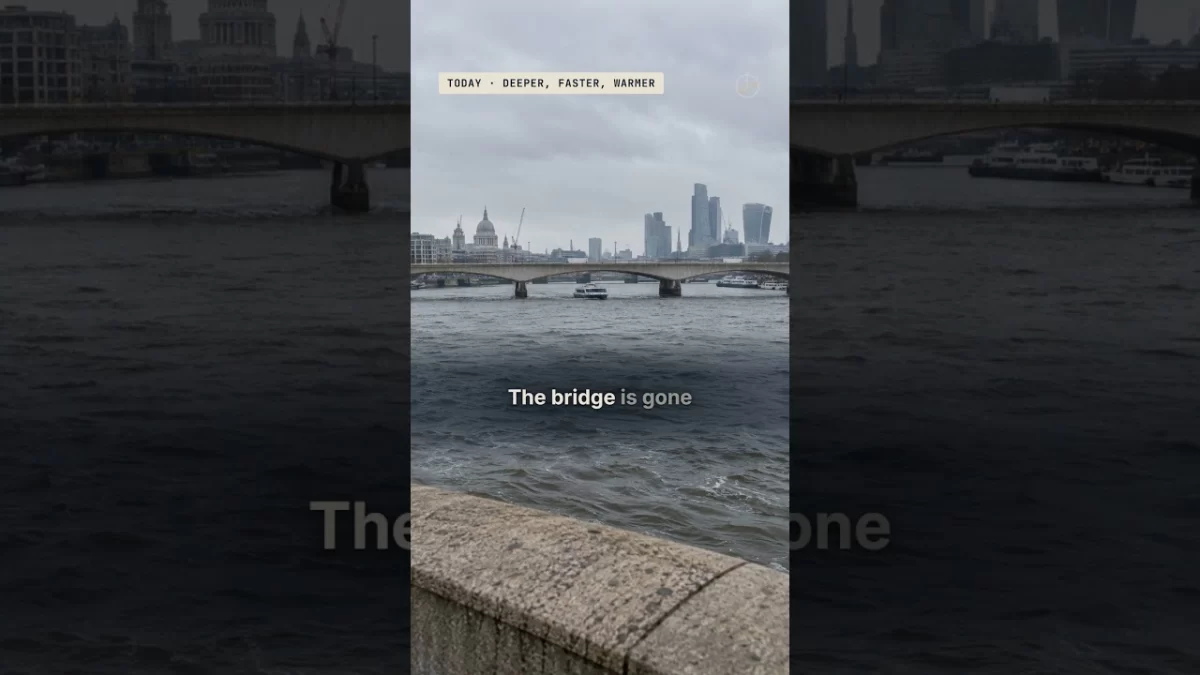
The Thames Frost Fair of 1684: When London Held a Market on a Frozen River
In the winter of 1683–84 the River Thames froze solid for two months and Londoners built a fair on the ice — with a printing press and an ox roast. Here's why it froze then, and can't now.
-
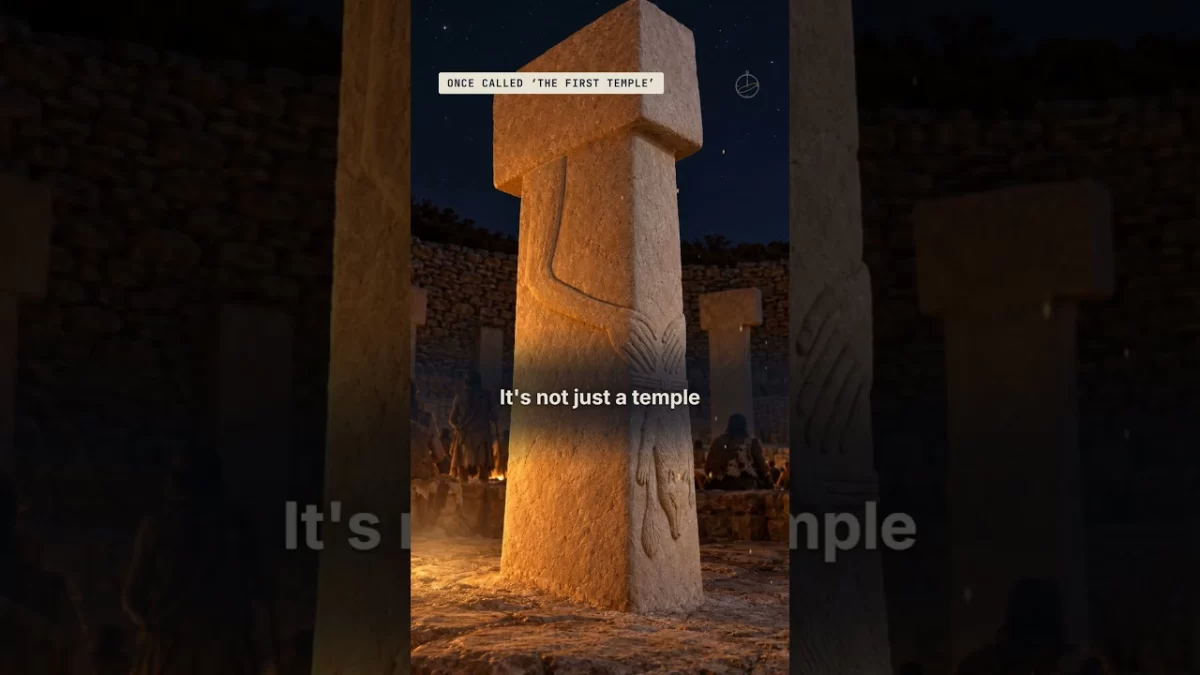
Göbekli Tepe: The 11,600-Year-Old Monument Older Than Stonehenge and the Pyramids
Around 9600 BC, hunter-gatherers in what is now Türkiye raised massive carved stone pillars at Göbekli Tepe — thousands of years before farming, writing, Stonehenge or the pyramids.
-
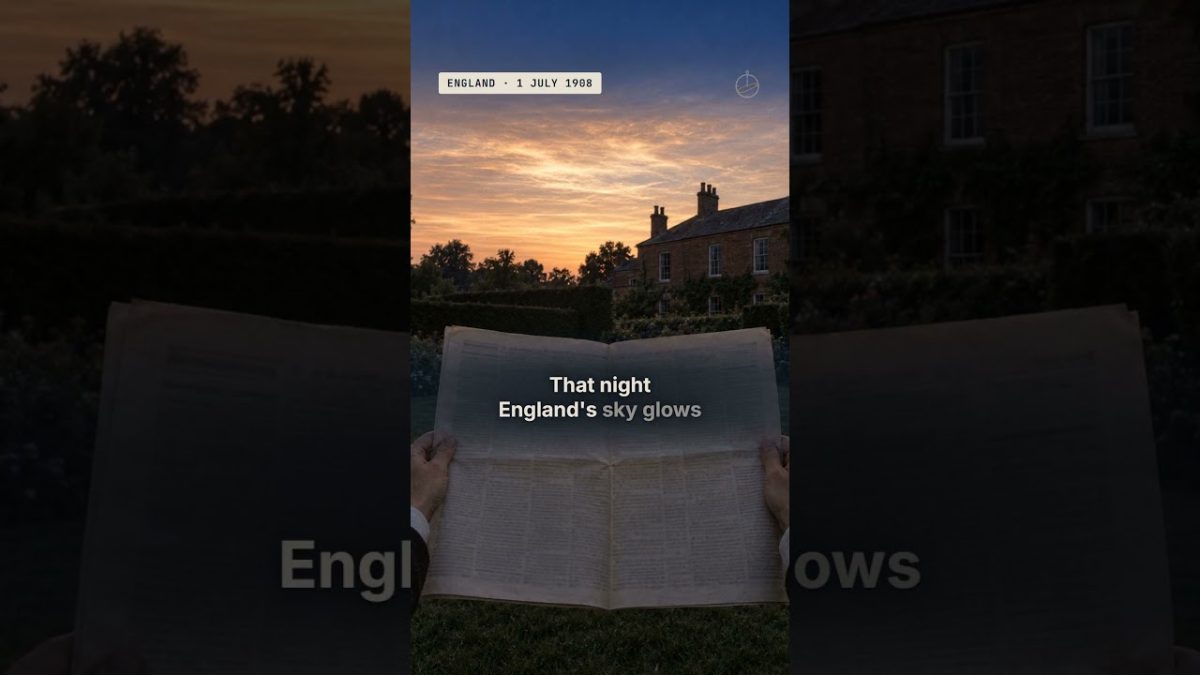
The Tunguska Event, 1908: The Day the Sky Exploded Over Siberia
In 1908 a space rock exploded in the air over Siberia and flattened 2,000 square kilometres of forest — the largest impact event in recorded history, and it left no crater.
Comments
Spotted an error? Have a question?