Chicxulub: The Asteroid That Ended the Age of Dinosaurs
About 66 million years ago a city-sized asteroid hit the Yucatán, triggering the impact winter that wiped out the non-avian dinosaurs and three-quarters of life on Earth.
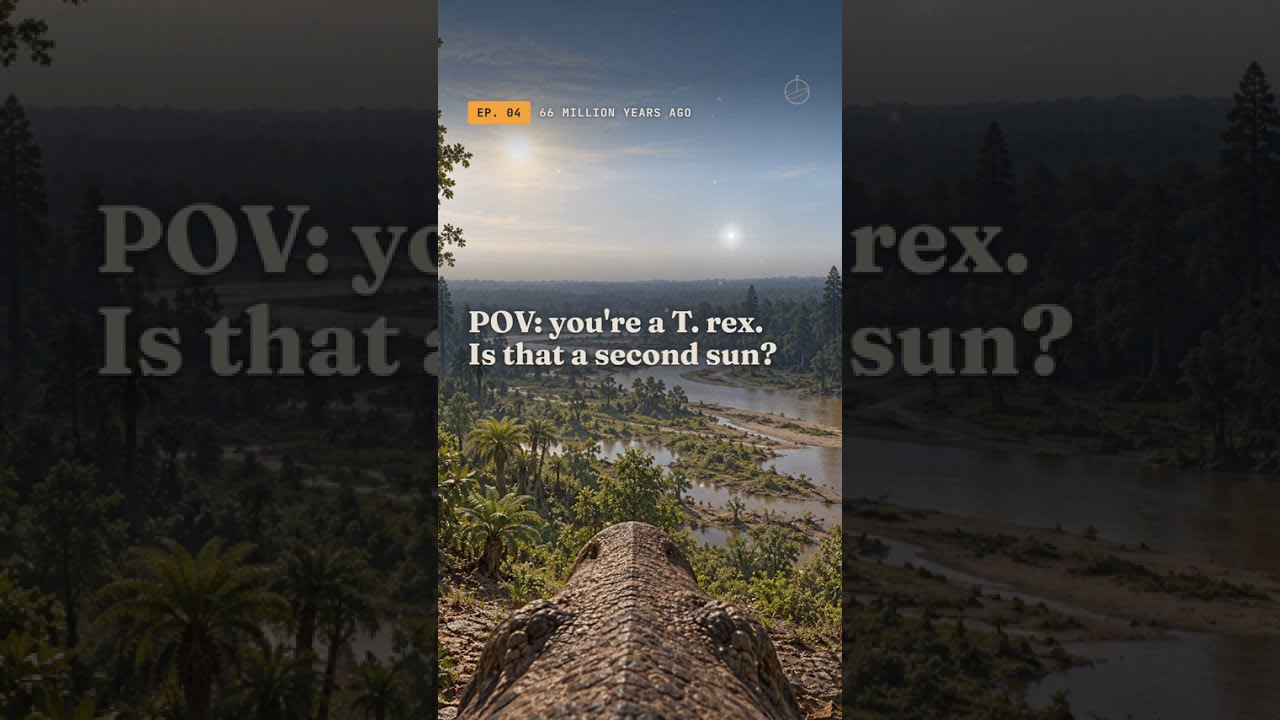
About 66 million years ago, an asteroid roughly 10 kilometres wide slammed into what is now Mexico’s Yucatán Peninsula — and within hours it changed the course of life on Earth.
The Chicxulub impact ended the age of dinosaurs and killed an estimated three-quarters of all species, in one of the fastest mass extinctions in the planet’s history.
What happened
The impactor hit at tens of kilometres per second, carving a crater about 180 km across and releasing energy equivalent to billions of atomic bombs. The immediate blast, heat pulse, earthquakes and towering tsunamis devastated the region. But the global killer was what rose into the sky.
The science: an impact winter
The impact threw enormous quantities of dust, soot and sulfur-rich rock vapour into the atmosphere. Sunlight was blocked for months to years, photosynthesis collapsed, and global temperatures plunged — an “impact winter.” Food webs built on plants and plankton failed from the bottom up. Large animals that could not shelter or survive on scraps, including the non-avian dinosaurs, died out; small burrowing creatures, early mammals and the ancestors of modern birds pulled through.
How we know
In 1980, physicist Luis Alvarez and his team found a worldwide layer of iridium — rare on Earth but common in asteroids — exactly at the Cretaceous–Paleogene boundary. The buried Chicxulub crater, identified from gravity and magnetic surveys, matched the age and scale. Drilling into the crater’s peak ring has since confirmed the sequence of that single catastrophic day.
What if a Chicxulub-class asteroid came today?
An impact this large is extremely rare, but it is why agencies like NASA run planetary-defence programs that track near-Earth objects and test deflection, such as the DART mission. Finding a dangerous asteroid early is the whole game — with enough warning, a small nudge can move it off course.
Key facts
- When
- ~66 million years ago (the K–Pg boundary)
- Impactor
- asteroid ~10–15 km across
- Crater
- Chicxulub, ~180 km wide, Yucatán, Mexico
- Result
- extinction of ~75% of species, including non-avian dinosaurs
Frequently asked questions
Did the asteroid kill the dinosaurs instantly?
Not globally. The regional destruction was instant, but most extinctions came from the months-to-years of darkness and cold that followed.
How do we know it was an asteroid?
A global iridium layer and the matching Chicxulub crater, later confirmed by drilling, point to a single large impact.
Related stories: The Tunguska event, 1908 · The Carrington Event, 1859
Sources & further reading
- NASA — Asteroid and comet basics
- Encyclopaedia Britannica — K–T (K–Pg) extinction
- NASA — DART planetary defense mission
The companion video uses AI-generated reconstructions, not archival footage; any single on-screen character is illustrative. The historical details above are drawn from the sources listed.
Keep reading
-
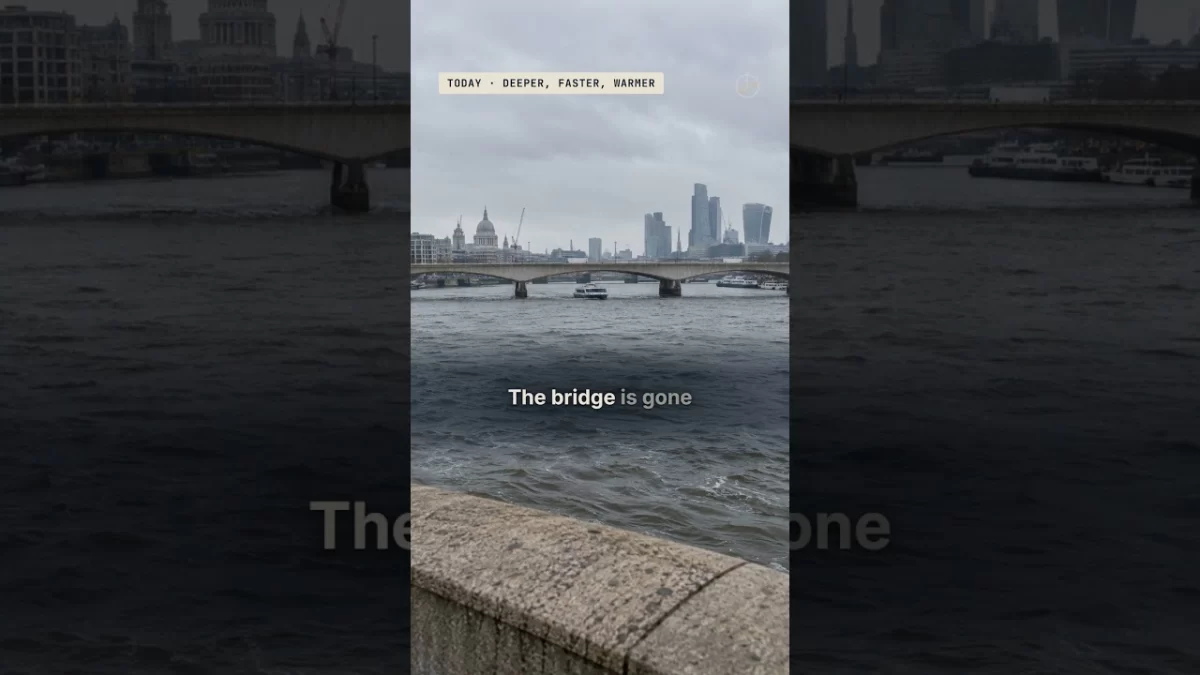
The Thames Frost Fair of 1684: When London Held a Market on a Frozen River
In the winter of 1683–84 the River Thames froze solid for two months and Londoners built a fair on the ice — with a printing press and an ox roast. Here's why it froze then, and can't now.
-
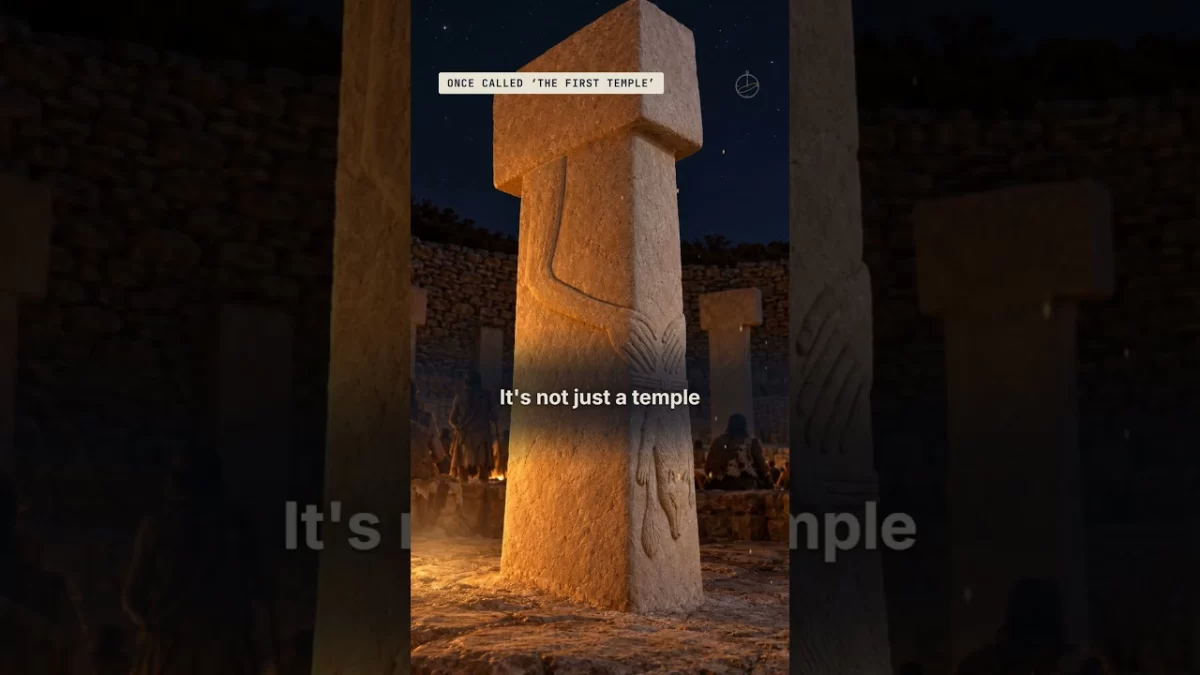
Göbekli Tepe: The 11,600-Year-Old Monument Older Than Stonehenge and the Pyramids
Around 9600 BC, hunter-gatherers in what is now Türkiye raised massive carved stone pillars at Göbekli Tepe — thousands of years before farming, writing, Stonehenge or the pyramids.
-

Halley’s Comet, 1910: The Night Earth Flew Through a Comet’s Tail
In 1910 Earth passed through the tail of Halley's Comet. Newspapers warned of poison gas, hucksters sold comet pills — and nothing happened, because a comet's tail is almost nothing at all.
Comments
Spotted an error? Have a question?