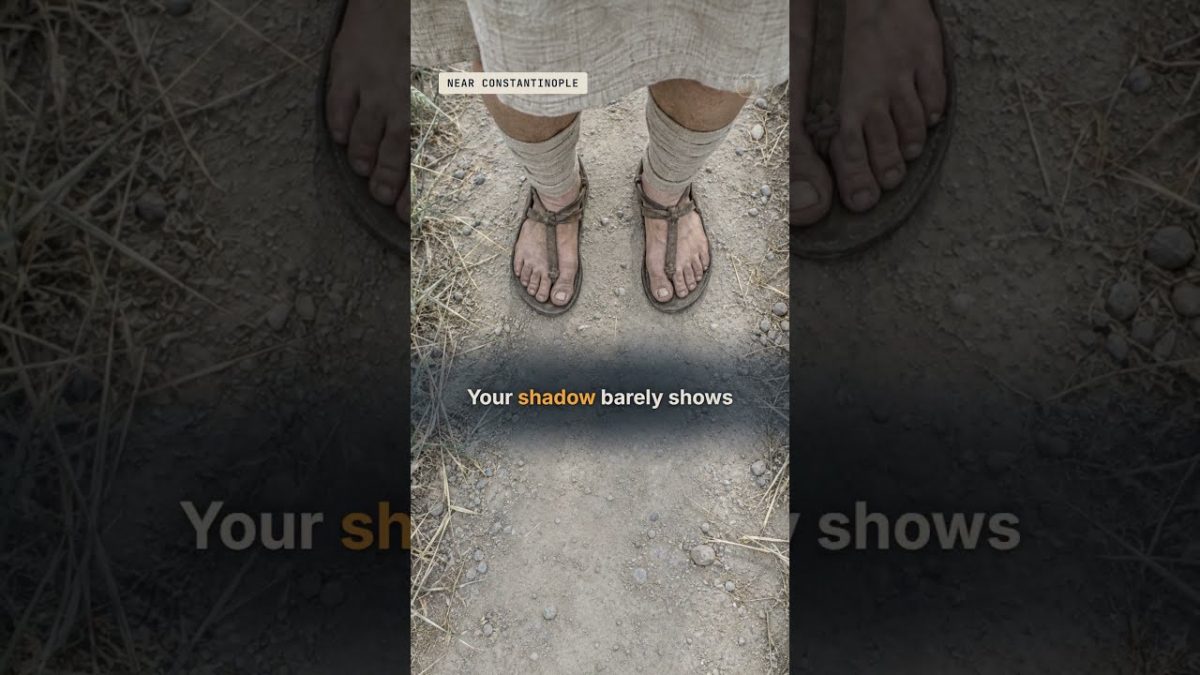
536 AD: Why Scientists Call It the Worst Year to Be Alive
In 536 AD a mysterious dust veil dimmed the sun for 18 months, bringing cold, failed harvests and famine. Scientists have called it the worst year in human history to be alive.
In 536 AD a mysterious dust veil dimmed the sun for 18 months, bringing cold, failed harvests and famine. Scientists have called it the worst year in human history to be alive.
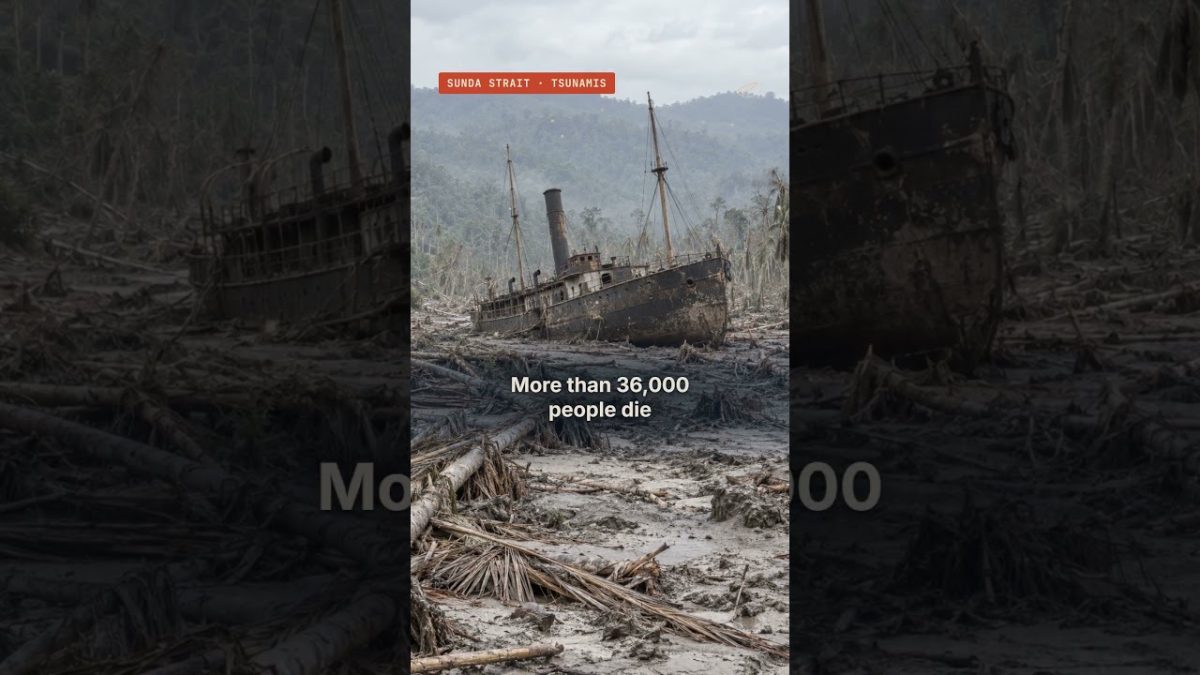
The 1883 eruption of Krakatoa produced what may be the loudest sound in recorded history — heard nearly 4,800 km away — and tsunamis that killed about 36,000 people.
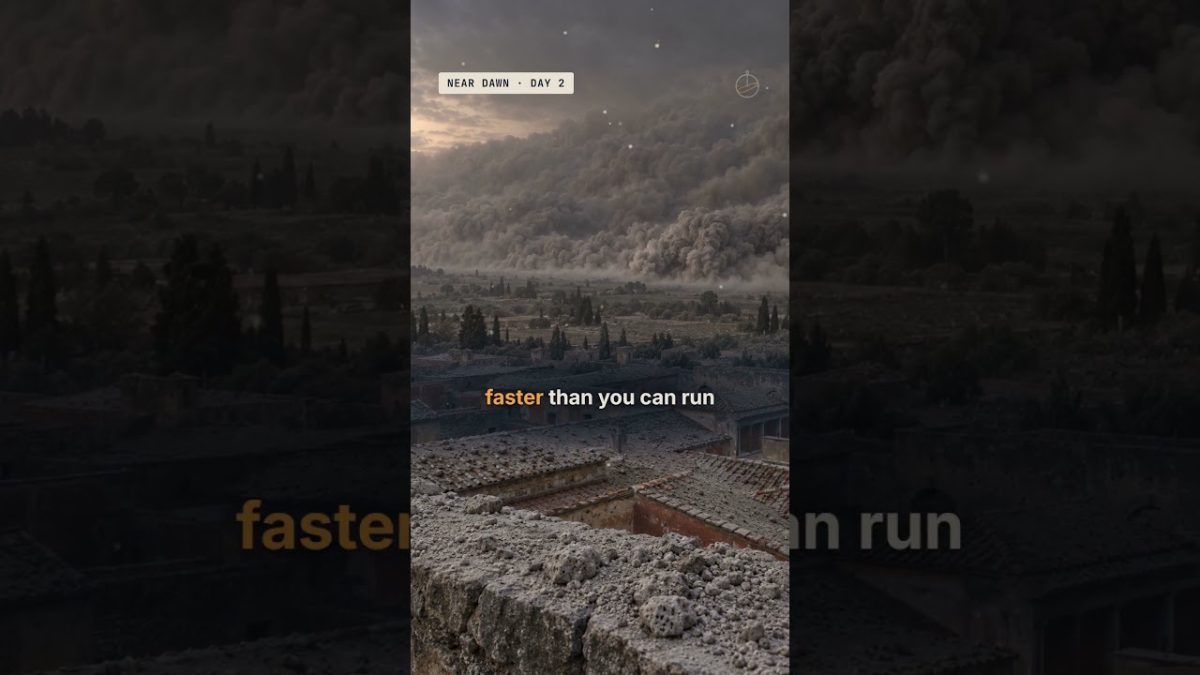
When Vesuvius erupted in 79 AD, Pompeii had roughly 18 hours of warning falling from the sky before the pyroclastic surges arrived. Most who stayed did not survive them.
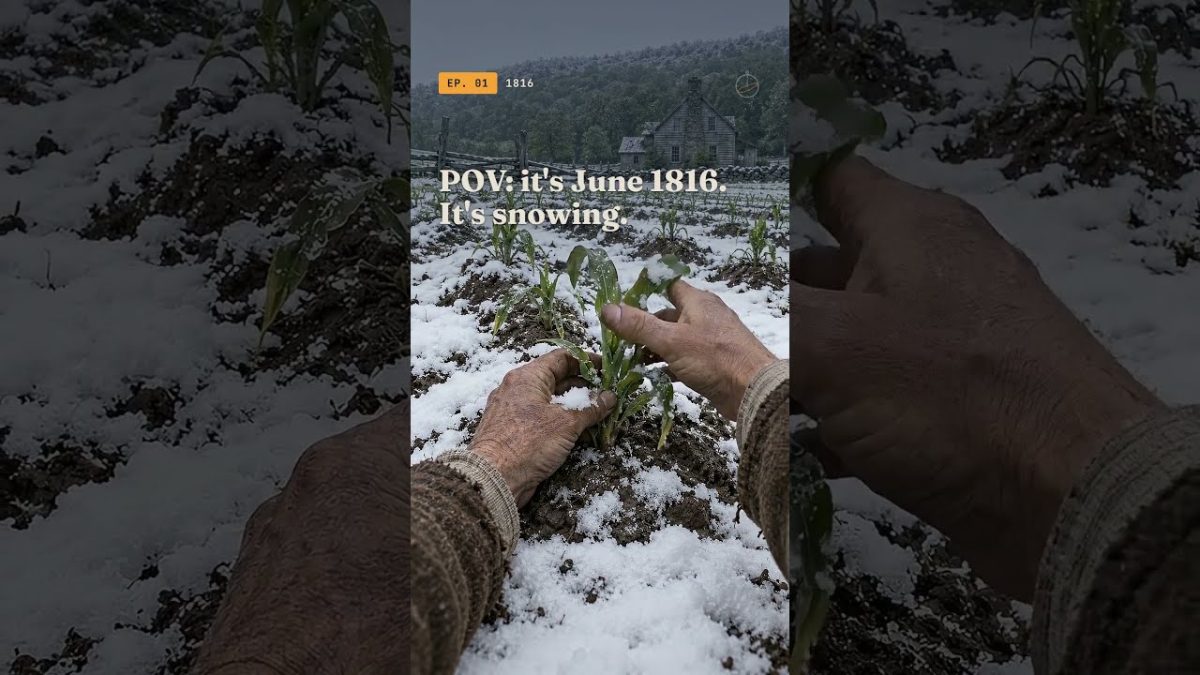
In April 1815 Mount Tambora produced the largest eruption in recorded history. A year later, summer never arrived — snow fell in June and crops failed across the Northern Hemisphere.