Pompeii, 79 AD: 18 Hours Inside the Eruption of Vesuvius
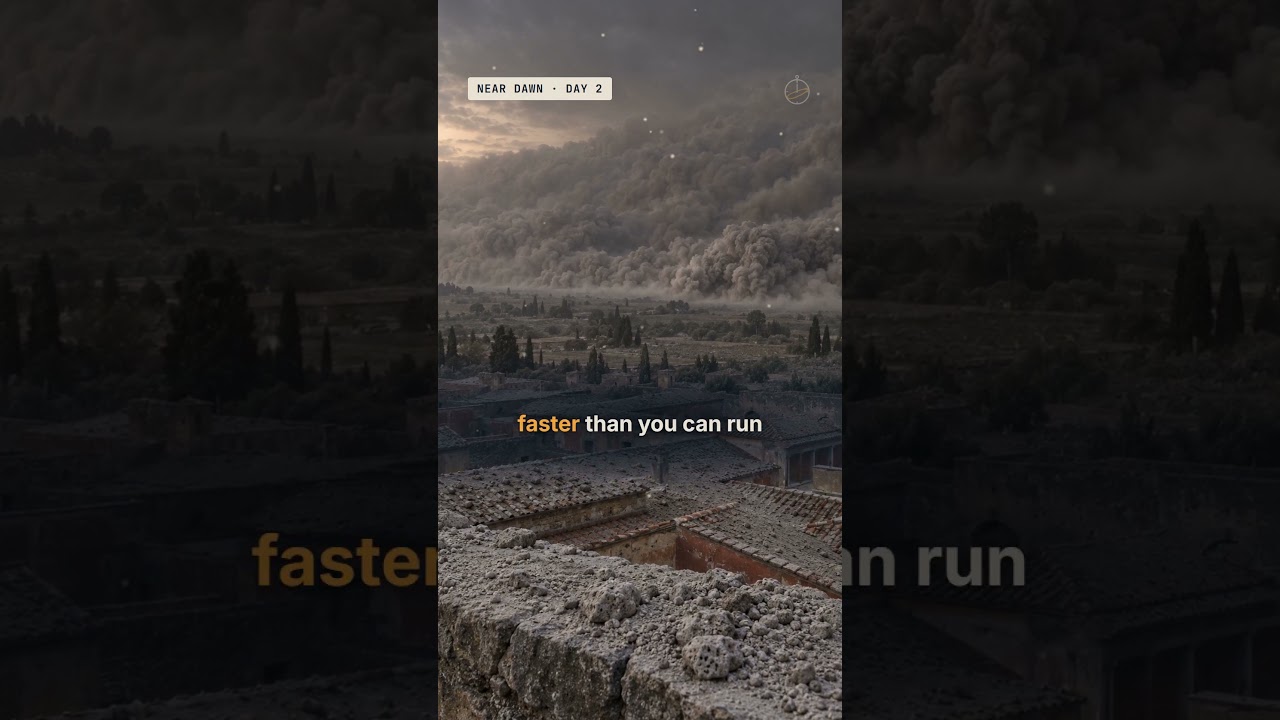
When Mount Vesuvius erupted in 79 AD, the people of Pompeii had roughly 18 hours — a long rain of ash and pumice — before the real killer arrived.
Those who left early mostly lived. Those who sheltered and waited were caught by searing pyroclastic surges that preserved the city, and its victims, for nearly two thousand years.
What happened
Vesuvius opened with a towering column of ash and pumice that rose kilometres into the sky and then fell on Pompeii, piling up metres deep and collapsing roofs. This first phase lasted much of a day — enough time for many to flee toward the coast. Overnight the eruption changed character: the column collapsed into pyroclastic flows and surges, avalanches of hot gas and ash moving at vehicle speeds. They buried Herculaneum and then Pompeii, killing anyone still there almost instantly.
The science: a Plinian eruption
We even owe the name to this event. The Roman writer Pliny the Younger watched from across the bay and described the mushroom-shaped column in letters that still read like an eyewitness report; his uncle, Pliny the Elder, died during the rescue effort. Geologists now call this explosive, high-column style a Plinian eruption. The ash that smothered Pompeii also sealed it from air and decay.
A city frozen in time
Centuries later, excavators found that bodies buried in the ash had left cavities as they decayed. By pouring plaster into these voids, archaeologists recovered the shapes of people and animals in their final moments — one of the most haunting records of any disaster.
What if Vesuvius erupted today?
Vesuvius is still active, and around three million people now live in its shadow near Naples. Italian authorities maintain evacuation plans precisely because the dangerous phase can follow the first warning by only hours. The lesson of 79 AD is simple: when a volcano like this wakes up, early evacuation saves lives.
Key facts
- When
- 79 AD (traditionally 24 August; some evidence points to October)
- Volcano
- Mount Vesuvius, near modern Naples, Italy
- Cities destroyed
- Pompeii and Herculaneum
- Killer phase
- pyroclastic surges after ~18 hours of ash fall
Frequently asked questions
What actually killed the people of Pompeii?
Most deaths came from fast-moving pyroclastic surges of hot gas and ash, not the initial ash fall.
Why is Pompeii so well preserved?
Deep ash sealed the city from air and moisture, protecting buildings, frescoes and even the voids left by victims’ bodies.
Related stories: Krakatoa, 1883 · The Year Without a Summer
Sources & further reading
- Encyclopaedia Britannica — Vesuvius
- Pliny the Younger — Letters on the eruption (Perseus)
- USGS — Pyroclastic flows
The companion video uses AI-generated reconstructions, not archival footage; any single on-screen character is illustrative. The historical details above are drawn from the sources listed.
Keep reading
-
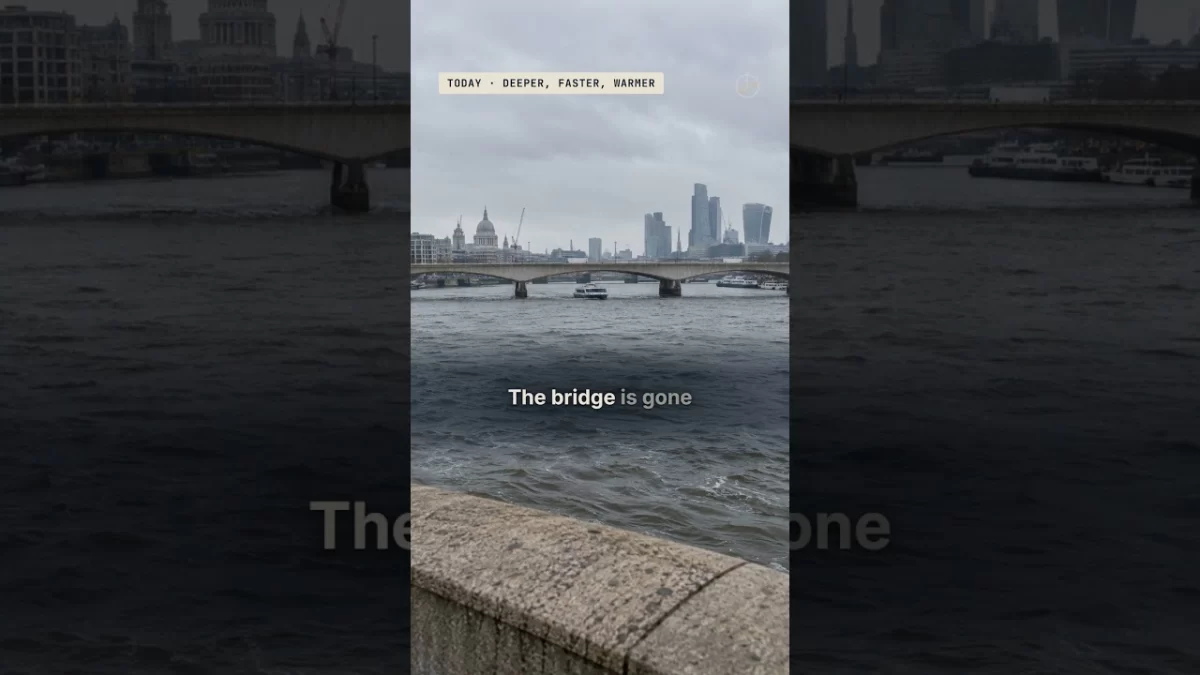
The Thames Frost Fair of 1684: When London Held a Market on a Frozen River
In the winter of 1683–84 the River Thames froze solid for two months and Londoners built a fair on the ice — with a printing press and an ox roast. Here's why it froze then, and can't now.
-
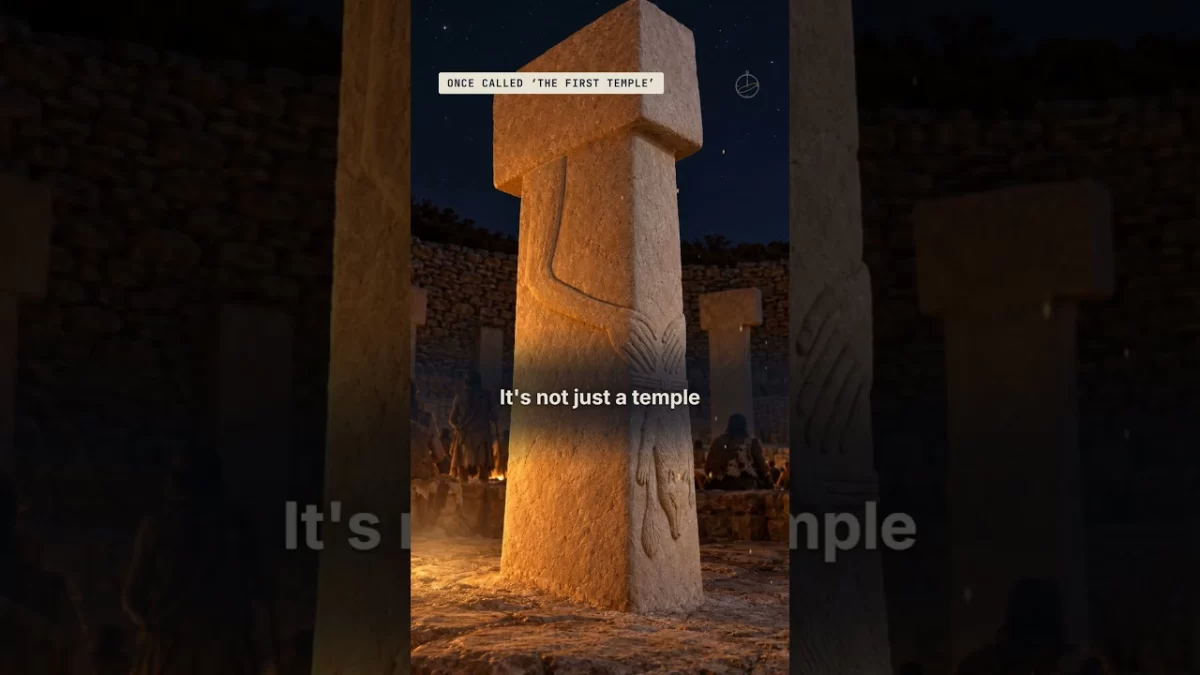
Göbekli Tepe: The 11,600-Year-Old Monument Older Than Stonehenge and the Pyramids
Around 9600 BC, hunter-gatherers in what is now Türkiye raised massive carved stone pillars at Göbekli Tepe — thousands of years before farming, writing, Stonehenge or the pyramids.
-
536 AD: Why Scientists Call It the Worst Year to Be Alive
In 536 AD a mysterious dust veil dimmed the sun for 18 months, bringing cold, failed harvests and famine. Scientists have called it the worst year in human history to be alive.
Comments
Spotted an error? Have a question?