536 AD: Why Scientists Call It the Worst Year to Be Alive
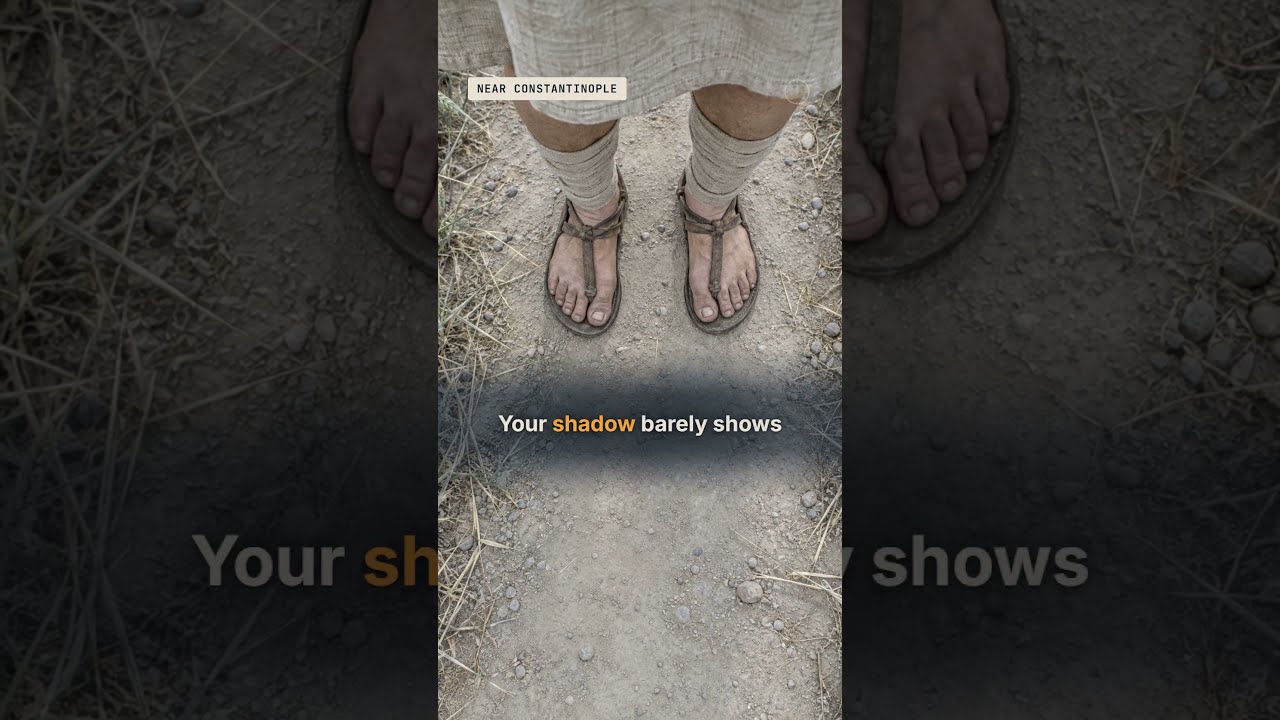
In 536 AD, a mysterious fog dimmed the sun across much of the world for about 18 months — and the years that followed were so grim that one historian called 536 the worst year to be alive.
The sun gave light without warmth, summer temperatures fell, harvests failed, and famine spread from Europe to China.
What happened
The Byzantine historian Procopius wrote that “the sun gave forth its light without brightness,” like a permanent eclipse. Other writers across the Mediterranean and East Asia described a dim, blue-tinged sun, a dry fog, snow in summer and widespread crop failure. This was no local bad weather — it was a hemisphere-wide cooling that lasted a year and a half.
The science: a volcanic winter
Modern ice-core studies point to one or more massive volcanic eruptions in 536 (and again around 540), which threw sulfur high into the stratosphere and veiled the sun — a severe “volcanic winter.” The repeated eruptions helped trigger a prolonged cold snap now known as the Late Antique Little Ice Age, lasting into the 540s and beyond.
Cold, famine and plague
The cooling struck a world with little margin. Crop failures brought famine, and in 541 the Plague of Justinian — one of history’s first recorded bubonic plague pandemics — swept the Byzantine Empire, killing a vast share of the population. The combination of darkness, hunger and disease is why historian Michael McCormick of Harvard singled out 536 as the worst year to be alive.
What if it happened today?
A repeat of the 536 eruptions would test the global food system far more than ancient granaries. It is the same hazard as the Tambora eruption of 1815, scaled up and sustained — which is why reconstructing these events from ice and tree rings helps us understand modern climate risk.
Key facts
- When
- a dust veil from 536 AD, lasting ~18 months
- Likely cause
- large volcanic eruption(s) in 536 and ~540
- Consequences
- cold summers, famine, and the Plague of Justinian (541)
- Name
- part of the Late Antique Little Ice Age
Frequently asked questions
What caused the dust veil of 536?
Evidence from ice cores points to one or more major volcanic eruptions that injected sulfur into the stratosphere and dimmed the sun.
Why is 536 called the worst year to be alive?
Because the volcanic cooling brought darkness, failed harvests and famine, soon followed by the deadly Plague of Justinian.
Related stories: The Year Without a Summer · Krakatoa, 1883
Sources & further reading
- Science (AAAS) — Why 536 was the worst year to be alive
- Encyclopaedia Britannica — Plague of Justinian
- Encyclopaedia Britannica — Late Antique Little Ice Age / volcanic winter
The companion video uses AI-generated reconstructions, not archival footage; any single on-screen character is illustrative. The historical details above are drawn from the sources listed.
Keep reading
-
The Thames Frost Fair of 1684: When London Held a Market on a Frozen River
In the winter of 1683–84 the River Thames froze solid for two months and Londoners built a fair on the ice — with a printing press and an ox roast. Here's why it froze then, and can't now.
-
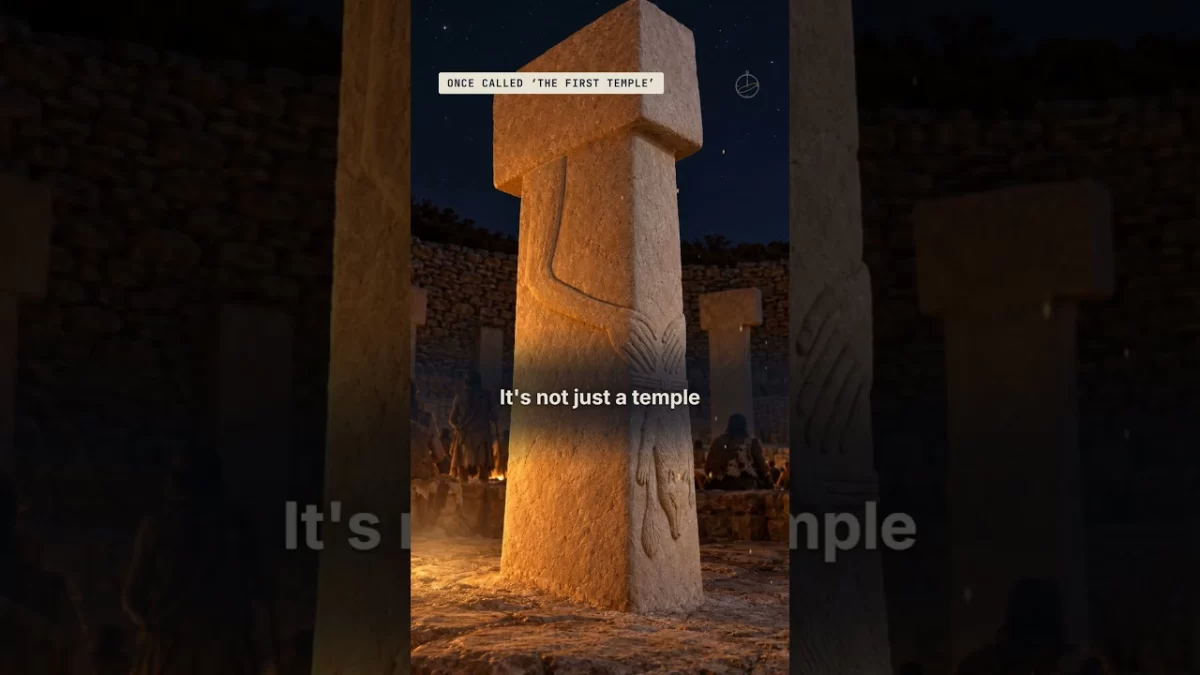
Göbekli Tepe: The 11,600-Year-Old Monument Older Than Stonehenge and the Pyramids
Around 9600 BC, hunter-gatherers in what is now Türkiye raised massive carved stone pillars at Göbekli Tepe — thousands of years before farming, writing, Stonehenge or the pyramids.
-
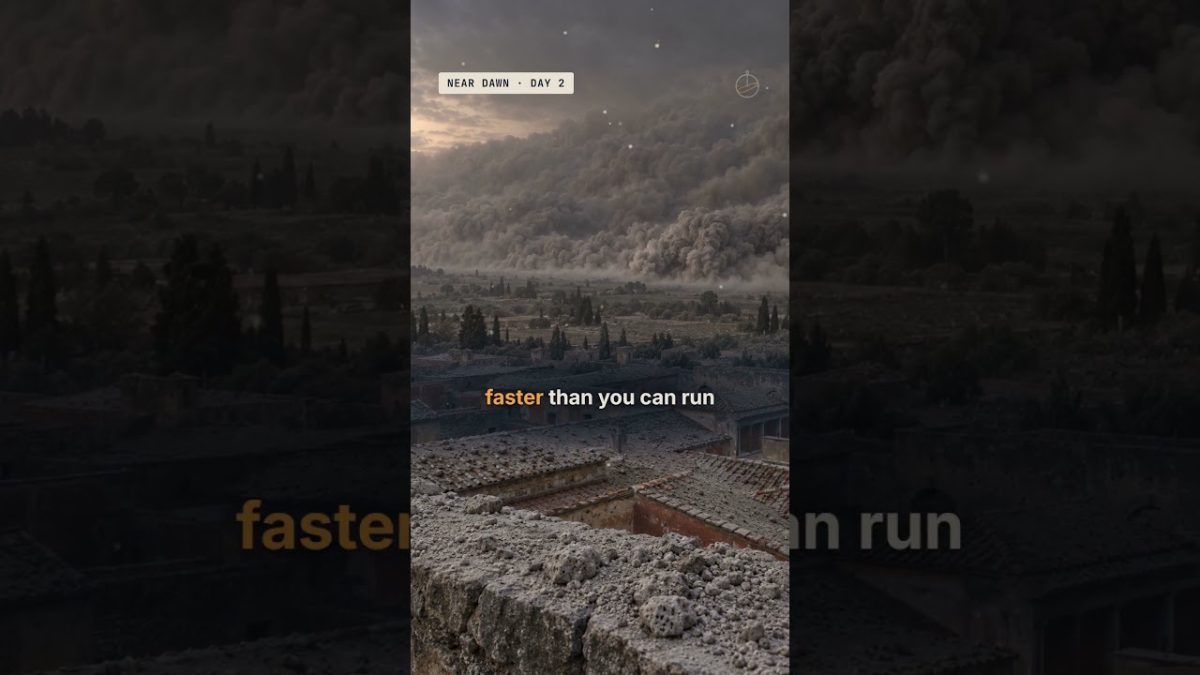
Pompeii, 79 AD: 18 Hours Inside the Eruption of Vesuvius
When Vesuvius erupted in 79 AD, Pompeii had roughly 18 hours of warning falling from the sky before the pyroclastic surges arrived. Most who stayed did not survive them.
Comments
Spotted an error? Have a question?