Krakatoa, 1883: The Explosion Heard 4,800 km Away
The 1883 eruption of Krakatoa produced what may be the loudest sound in recorded history — heard nearly 4,800 km away — and tsunamis that killed about 36,000 people.
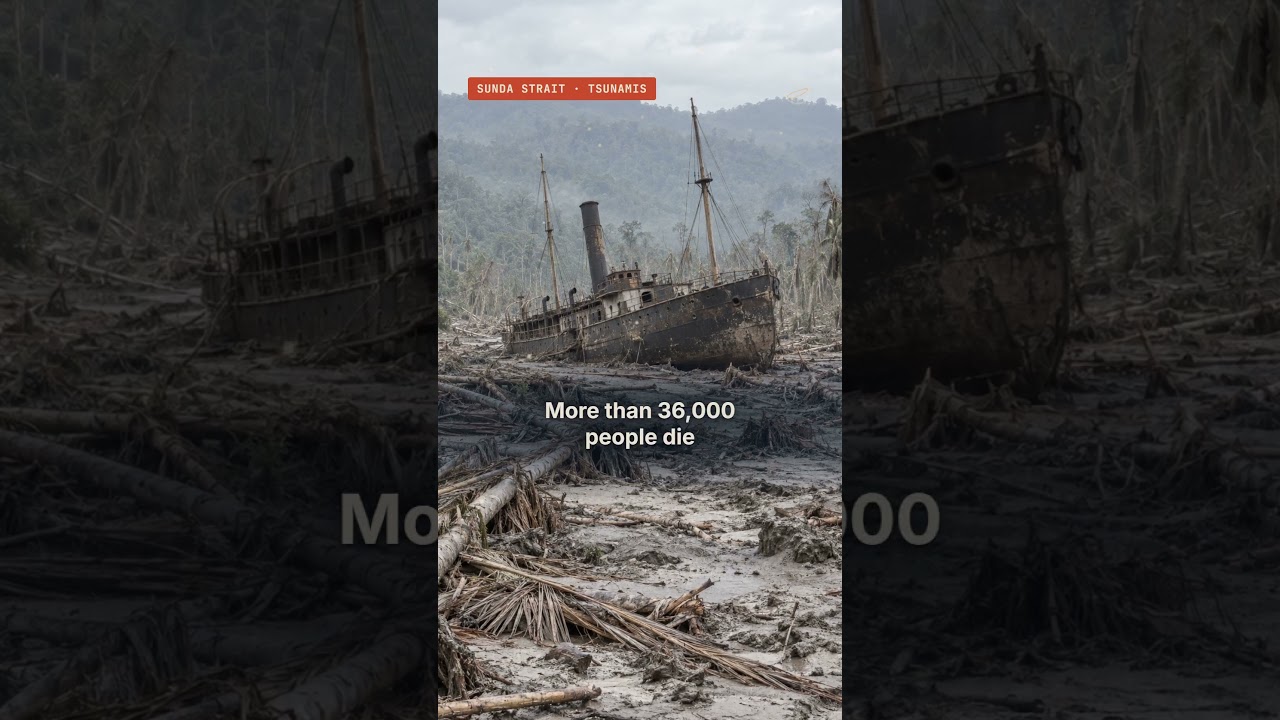
On 27 August 1883, the Indonesian volcano Krakatoa exploded with a sound so loud it was heard almost 4,800 kilometres away — perhaps the loudest noise in recorded history.
The blast and the tsunamis it generated killed roughly 36,000 people and sent a pressure wave around the planet several times.
What happened
Krakatoa sat in the Sunda Strait between Java and Sumatra. After months of smaller activity, a series of cataclysmic explosions on 26–27 August 1883 destroyed most of the island. The climactic blast was heard on Rodrigues Island in the Indian Ocean, nearly 4,800 km away — people there thought they were hearing distant gunfire.
The science: sound, pressure and the sea
A sound audible thousands of kilometres away is almost beyond imagining; near the volcano the pressure was strong enough to rupture eardrums and damage ships. Barometers worldwide recorded the atmospheric shockwave circling the Earth multiple times. But most deaths came not from the sound — they came from the sea. Collapsing parts of the volcano displaced enormous volumes of water, sending tsunamis more than 30 metres high crashing into the coasts of Java and Sumatra.
A sky that changed colour
Ash and gas from Krakatoa spread worldwide, producing vivid red sunsets and a measurable dip in global temperatures over the following year. Some scholars link the lurid sky in Edvard Munch’s The Scream to these afterglows.
What if it happened today?
The Sunda Strait is still volcanically active — a 1927 eruption built a new island, Anak Krakatau (“Child of Krakatoa”), which caused a deadly tsunami as recently as 2018. Dense coastal populations and the speed of volcanic tsunamis make early detection and clear evacuation routes essential.
Key facts
- Date
- 26–27 August 1883 (climax on the 27th)
- Location
- Sunda Strait, Indonesia
- Sound
- heard ~4,800 km away; shockwave circled the globe
- Deaths
- ~36,000, mostly from tsunamis
Frequently asked questions
Was Krakatoa really the loudest sound ever?
It is the loudest sound in modern recorded history, audible nearly 4,800 km away and registered on barometers worldwide.
What killed the most people?
Tsunamis up to ~30 metres high, not the explosion itself.
Related stories: The Year Without a Summer · Pompeii and Vesuvius, 79 AD
Sources & further reading
- Smithsonian Global Volcanism Program — Krakatau
- Encyclopaedia Britannica — Krakatoa
- NOAA — Volcanoes and tsunamis
The companion video uses AI-generated reconstructions, not archival footage; any single on-screen character is illustrative. The historical details above are drawn from the sources listed.
Keep reading
-
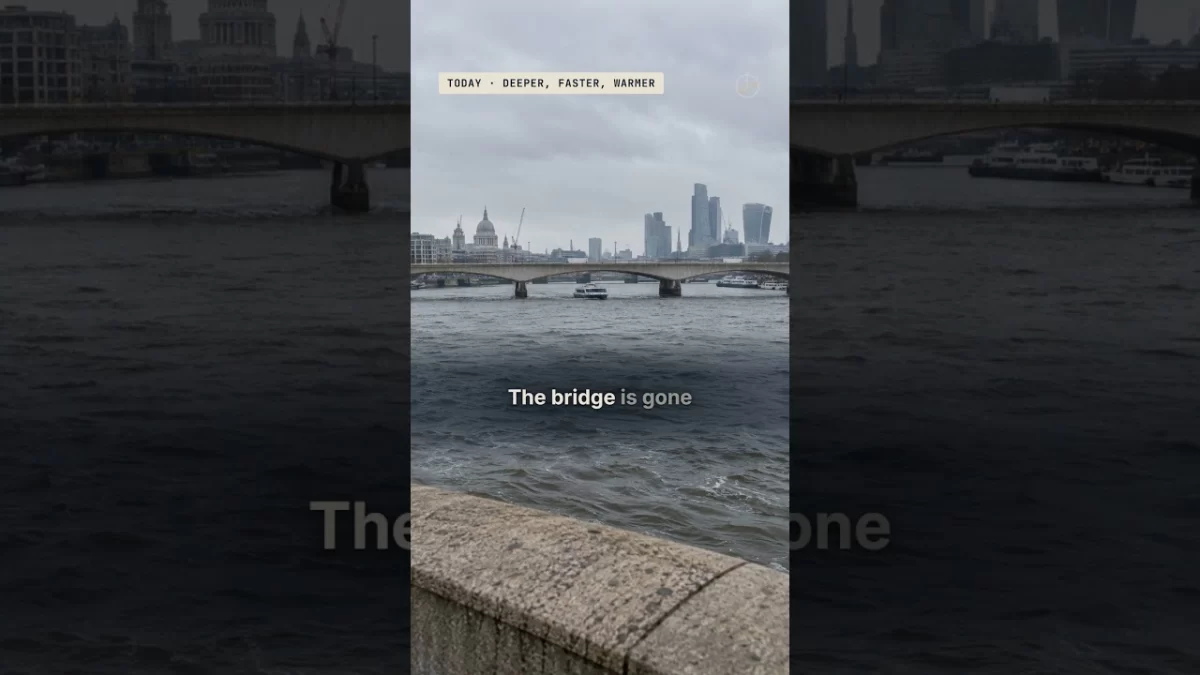
The Thames Frost Fair of 1684: When London Held a Market on a Frozen River
In the winter of 1683–84 the River Thames froze solid for two months and Londoners built a fair on the ice — with a printing press and an ox roast. Here's why it froze then, and can't now.
-
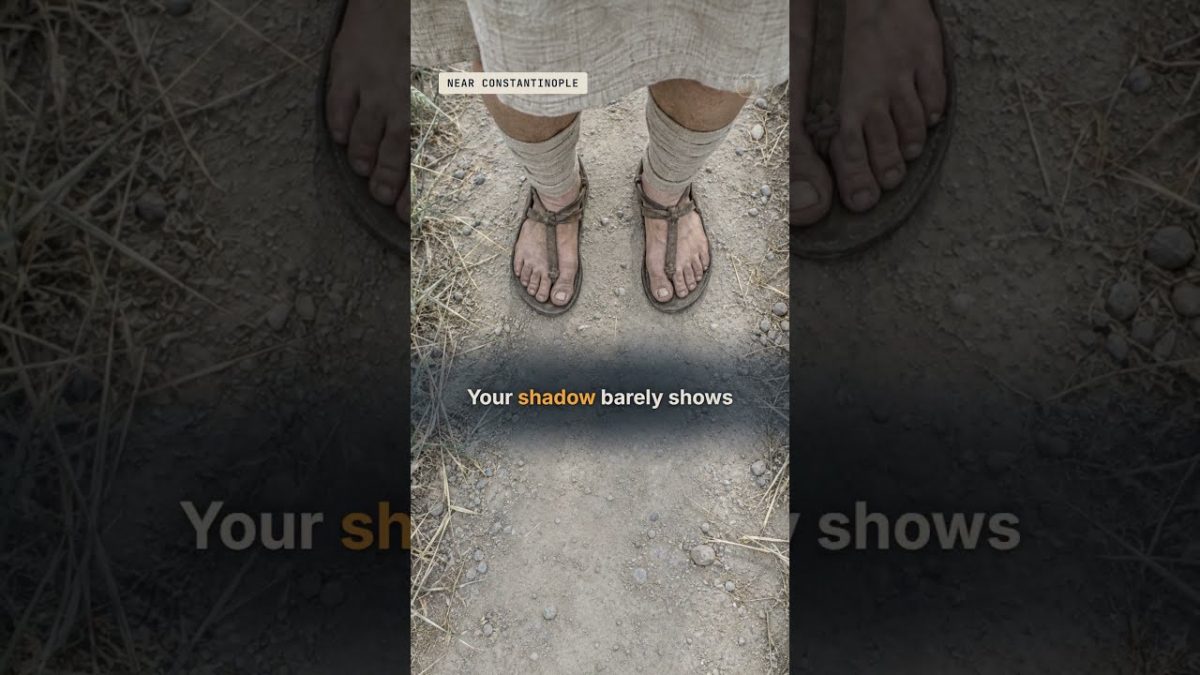
536 AD: Why Scientists Call It the Worst Year to Be Alive
In 536 AD a mysterious dust veil dimmed the sun for 18 months, bringing cold, failed harvests and famine. Scientists have called it the worst year in human history to be alive.
-
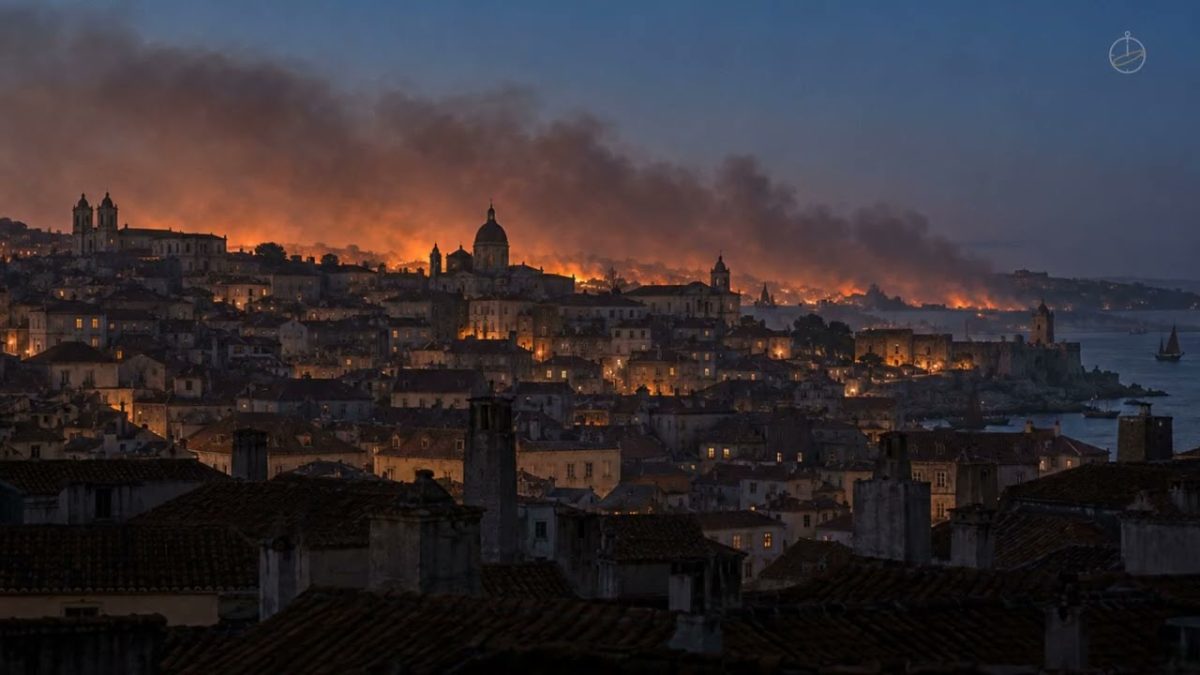
The 1755 Lisbon Earthquake: When the Sea Pulled Back Before the Wave
On 1 November 1755 a great earthquake struck off Portugal, the sea withdrew from Lisbon's harbour, and a tsunami returned to drown a city already shaking and burning.
Comments
Spotted an error? Have a question?