The Great Smog of London, 1952: The Fog That Killed Thousands
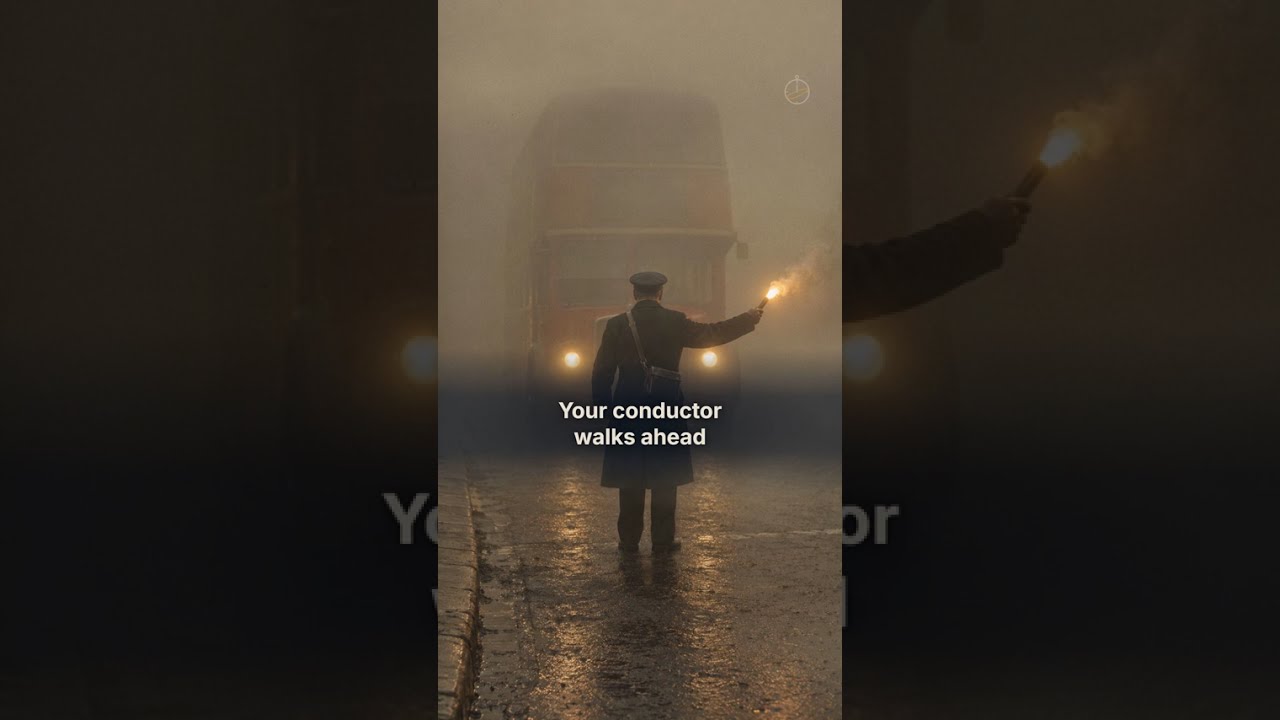
For five days in December 1952, a motionless fog trapped London’s coal smoke close to the ground until the air itself became deadly.
Visibility fell to a few metres, transport stopped, and an estimated 4,000 to 12,000 people died — a disaster that created modern air-quality law.
What happened
From 5 to 9 December 1952, a high-pressure system settled over London and created a temperature inversion: a lid of warm air sitting over cold air at the surface, with no wind to clear it. The cold snap had Londoners burning more coal than usual, and the smoke — laden with sulfur dioxide and soot — had nowhere to go. Smoke and fog combined into thick, yellow-black “smog.”
People could not see their own feet. Buses were led by men walking ahead with torches; a performance at Sadler’s Wells was stopped when the audience could no longer see the stage. Hospitals filled with patients struggling to breathe.
The science: a chemical trap
The inversion acted like a lid, concentrating pollutants in the air people breathed. Sulfur dioxide from coal reacted with moisture and particulates to form sulfuric-acid droplets deep in the lungs. The death rate spiked immediately and stayed elevated for weeks, hitting the very young, the elderly and those with heart or lung disease hardest.
From disaster to law
At first the government downplayed the toll. But the sheer number of deaths — more than many disease outbreaks — made the smog impossible to ignore. It led directly to the UK’s Clean Air Act of 1956, which introduced smokeless zones and shifted cities away from raw coal, becoming a model for pollution control worldwide.
What if it happened today?
Many fast-growing cities still face lethal winter smog when inversions trap vehicle and industrial emissions. The 1952 lesson is that air pollution kills quietly and in large numbers, and that the fix is policy: cleaner fuel, emission limits and real-time monitoring.
Key facts
- Dates
- 5–9 December 1952
- Cause
- temperature inversion trapping coal smoke and sulfur dioxide
- Estimated deaths
- 4,000 (early figure) up to ~12,000 (later studies)
- Legacy
- the UK Clean Air Act 1956
Frequently asked questions
Why was the smog so deadly?
A windless temperature inversion concentrated sulfur dioxide and soot from coal fires in the air people breathed for days on end.
Did it change anything?
Yes — it prompted the Clean Air Act 1956, one of the first modern air-pollution laws.
Related stories: The 1755 Lisbon earthquake · The Year Without a Summer
Sources & further reading
- UK Met Office — The Great Smog of 1952
- Encyclopaedia Britannica — Great Smog of London
- UK Parliament — Clean Air Act 1956
The companion video uses AI-generated reconstructions, not archival footage; any single on-screen character is illustrative. The historical details above are drawn from the sources listed.
Keep reading
-
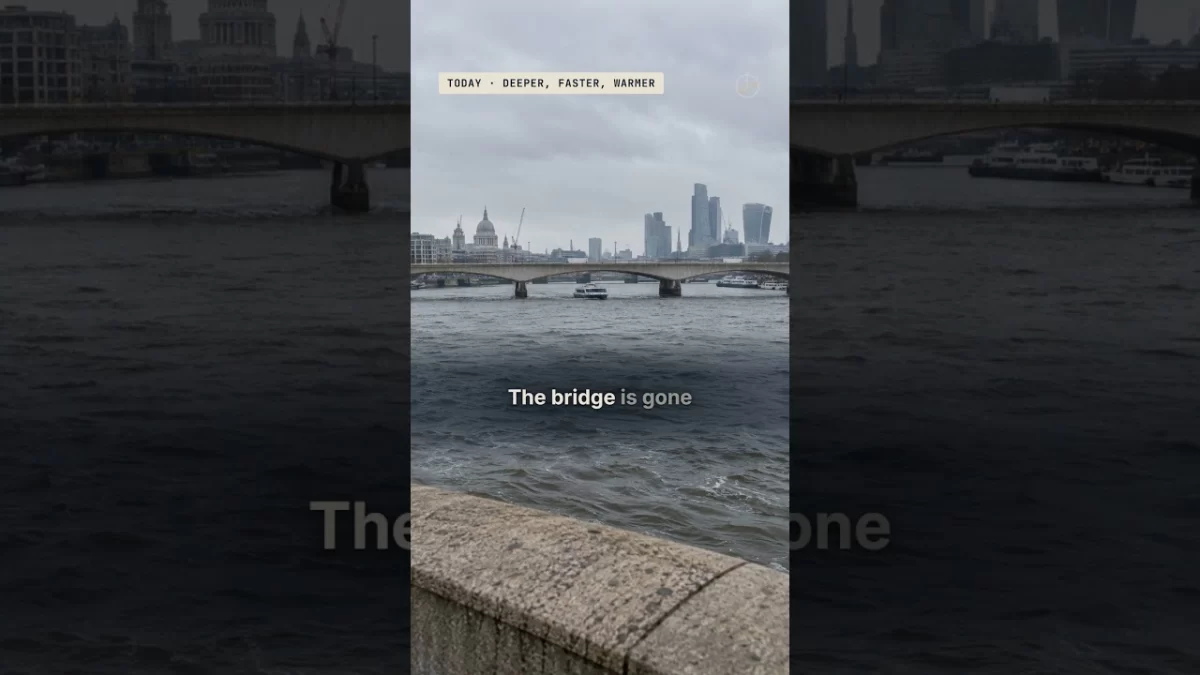
The Thames Frost Fair of 1684: When London Held a Market on a Frozen River
In the winter of 1683–84 the River Thames froze solid for two months and Londoners built a fair on the ice — with a printing press and an ox roast. Here's why it froze then, and can't now.
-
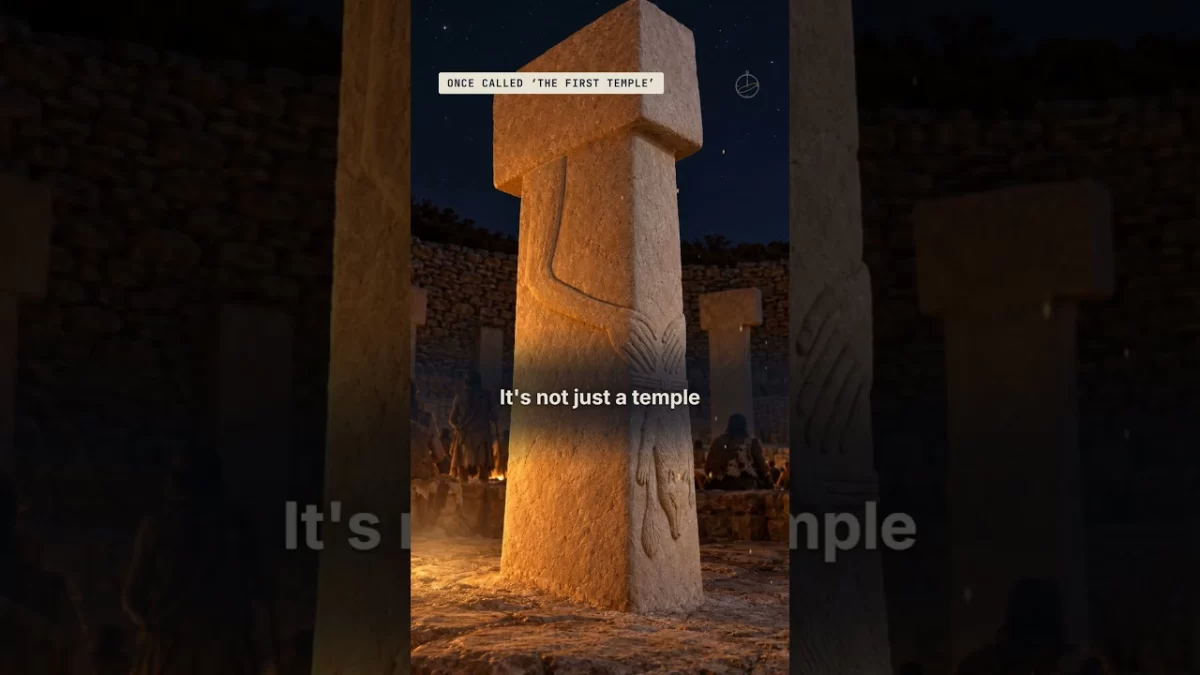
Göbekli Tepe: The 11,600-Year-Old Monument Older Than Stonehenge and the Pyramids
Around 9600 BC, hunter-gatherers in what is now Türkiye raised massive carved stone pillars at Göbekli Tepe — thousands of years before farming, writing, Stonehenge or the pyramids.
-
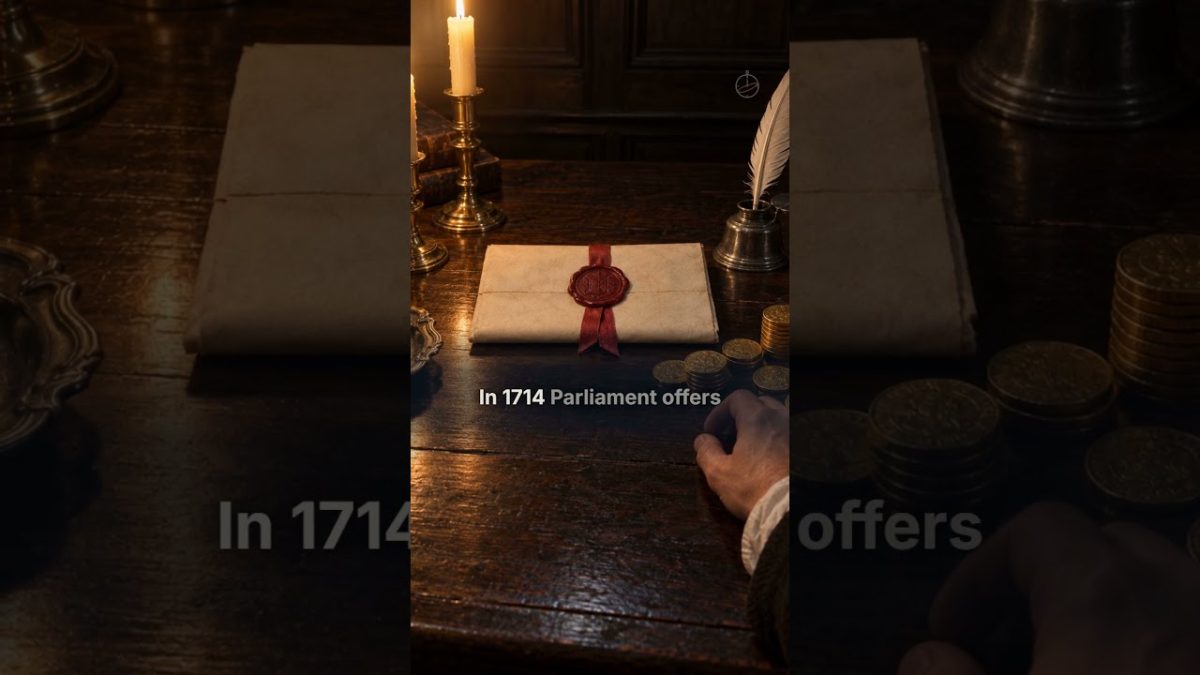
The Scilly Naval Disaster of 1707: Lost Because They Couldn’t Find Longitude
In 1707 a British fleet wrecked on the Isles of Scilly because its navigators could not calculate longitude. The disaster helped launch the search for the marine chronometer.
Comments
Spotted an error? Have a question?